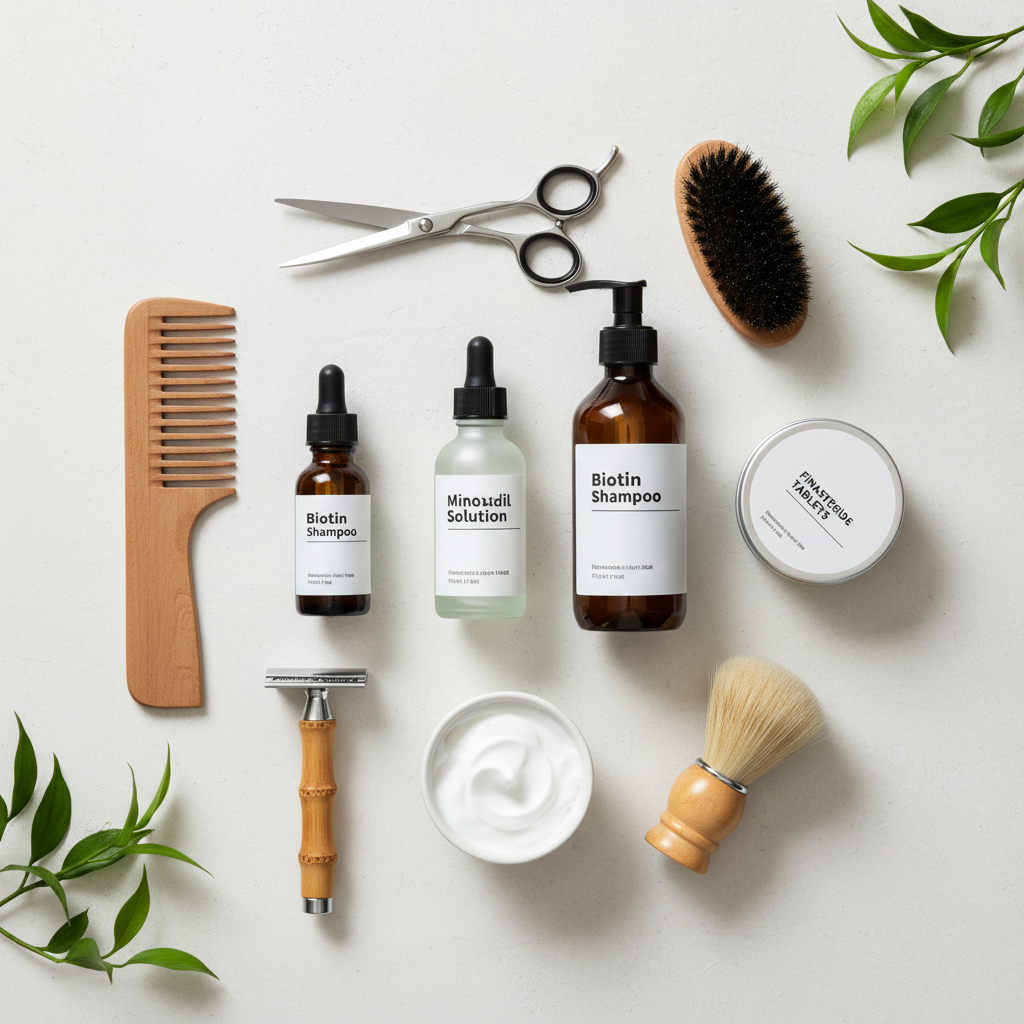
If you're dealing with thinning hair, you've probably encountered countless "solutions" promising to restore your confidence. From pharmaceutical treatments to surgical procedures to cosmetic cover-ups, the options can be overwhelming—and expensive.
This guide breaks down the most popular thinning hair solutions, comparing each option's effectiveness, cost, time commitment, and real-world results. By the end, you'll understand exactly which solution is right for your situation.
Solution Comparison at a Glance
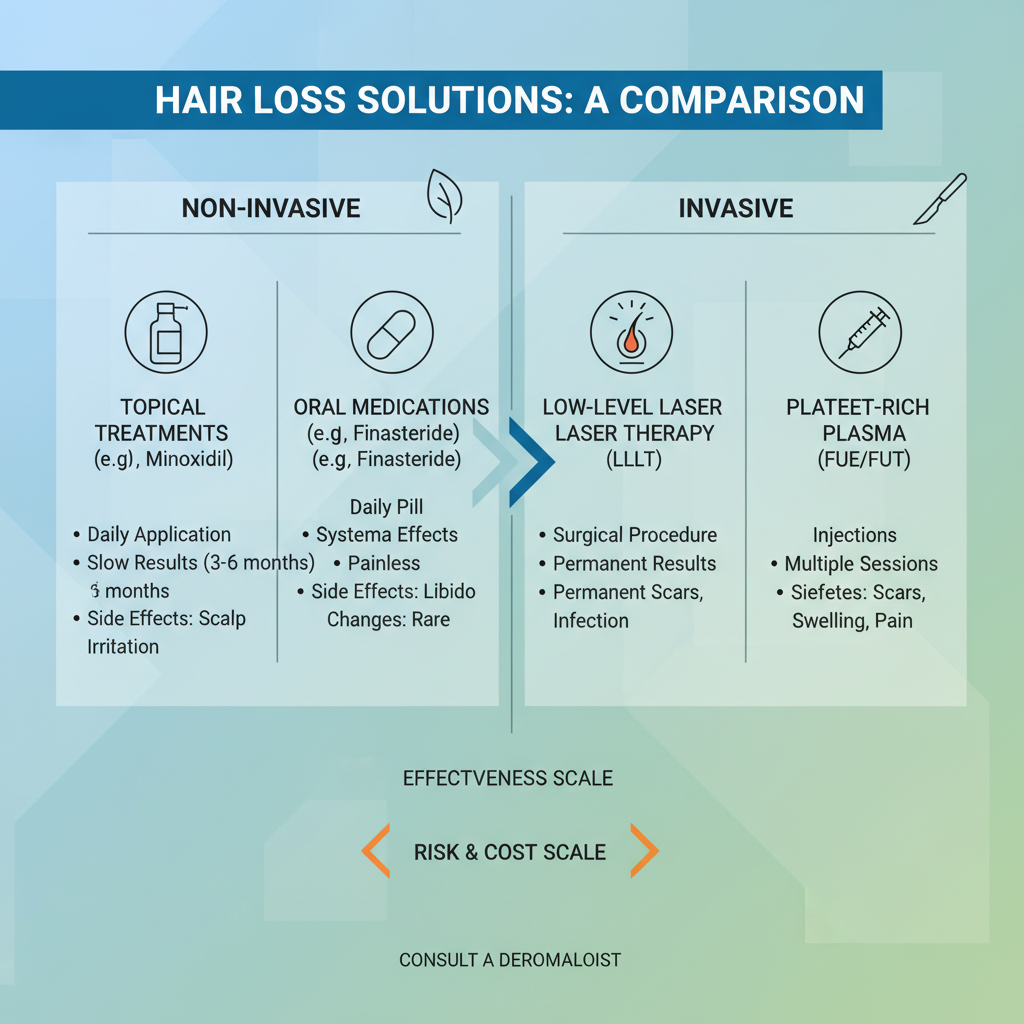
| Solution | Results Time | Cost | Maintenance | Reversible |
|---|---|---|---|---|
| Hair Fibers | 30 seconds | $29-79 | Daily application | Yes |
| Minoxidil (Rogaine) | 4-6 months | $30-50/month | Twice daily forever | No |
| Finasteride (Propecia) | 3-6 months | $20-70/month | Daily pill forever | No |
| Hair Transplant | 6-12 months | $4,000-15,000 | Low (one-time) | Partial |
| Hair Systems/Wigs | Immediate | $200-3,000 | Monthly service | Yes |
| Scalp Micropigmentation | 2-3 sessions | $1,500-4,000 | Touch-ups yearly | Partial |
Hair Fibers (Halo Fibers)
Instant Cosmetic Solution
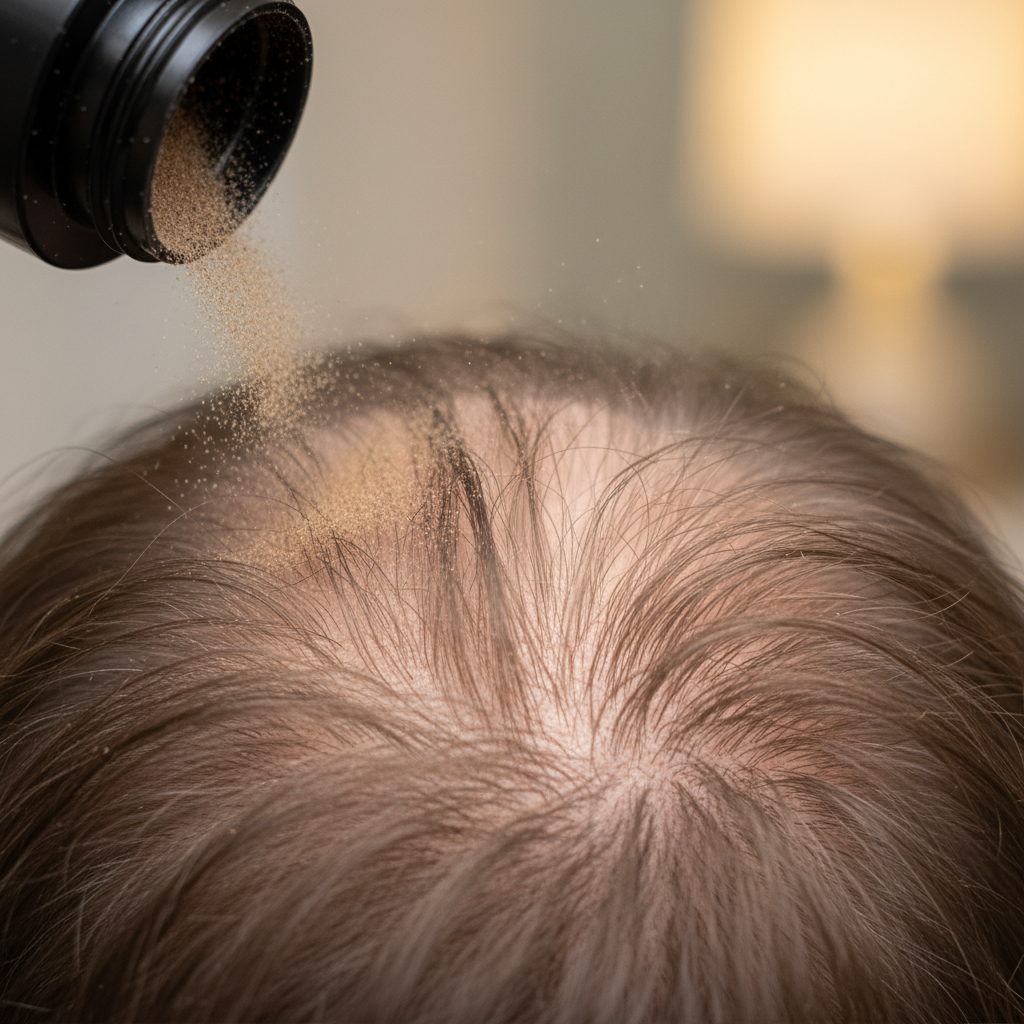
How it works: Keratin-based microfibers electrostatically cling to existing hair, instantly creating the appearance of fuller, thicker hair.
Pros
- • Instant results in 30 seconds
- • No side effects or health risks
- • Affordable (one bottle lasts 1-2 months)
- • Natural-looking when applied correctly
- • Works for all hair types and colors
- • Fully reversible—wash out anytime
- • Can use while pursuing other treatments
Cons
- • Requires daily application
- • Doesn't treat underlying hair loss
- • Can run in heavy rain/sweat without spray
- • Needs existing hair to cling to
- • Must be washed out before bed
Best for: Anyone wanting instant results while maintaining a natural appearance. Ideal for covering thinning areas, receding hairlines, or visible scalp. Works great alongside long-term treatments like minoxidil or finasteride.
Minoxidil (Rogaine)
Pharmaceutical Treatment
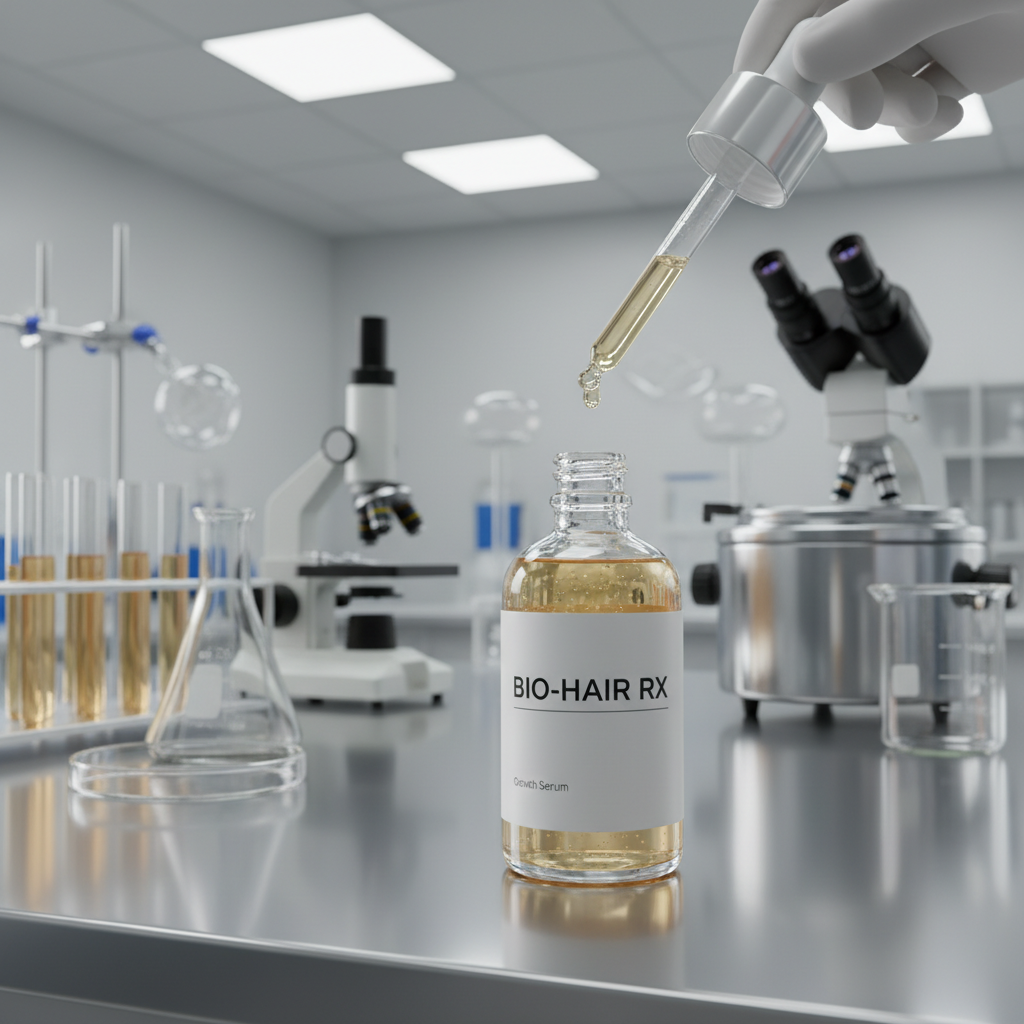
How it works: FDA-approved topical solution that stimulates hair follicles and extends the growth phase of hair. Available over-the-counter in 2% and 5% concentrations.
Pros
- • Clinically proven to slow hair loss
- • Can regrow some hair (varies by person)
- • FDA-approved and well-studied
- • Available over-the-counter
- • Relatively affordable
Cons
- • Takes 4-6 months to see results
- • Must use twice daily forever
- • Stops working if you quit (hair falls out)
- • Can cause scalp irritation/dryness
- • Initial shedding phase is common
- • Doesn't work for everyone (60% success rate)
- • Greasy texture affects hairstyling
Best for: People in early-to-moderate hair loss stages willing to commit to a lifetime regimen. Most effective on the crown; less effective on frontal hair loss.
Finasteride (Propecia)
Prescription Medication
How it works: Prescription pill that blocks DHT (the hormone responsible for male pattern baldness), preventing further hair loss and potentially regrowing some hair.
Pros
- • Highly effective (90% stop further loss)
- • Easy—just one pill daily
- • Can regrow hair in 60% of users
- • FDA-approved with extensive research
- • Targets root cause of hair loss
Cons
- • Requires prescription
- • Takes 3-6 months for results
- • Must take forever (stops working if quit)
- • Potential sexual side effects (2-4% of users)
- • Not for women or men planning children
- • Monthly cost adds up over time
Best for: Men under 40 with early-to-moderate hair loss who want to prevent further thinning. Requires medical consultation to discuss potential side effects.
Hair Transplant Surgery
Surgical Procedure
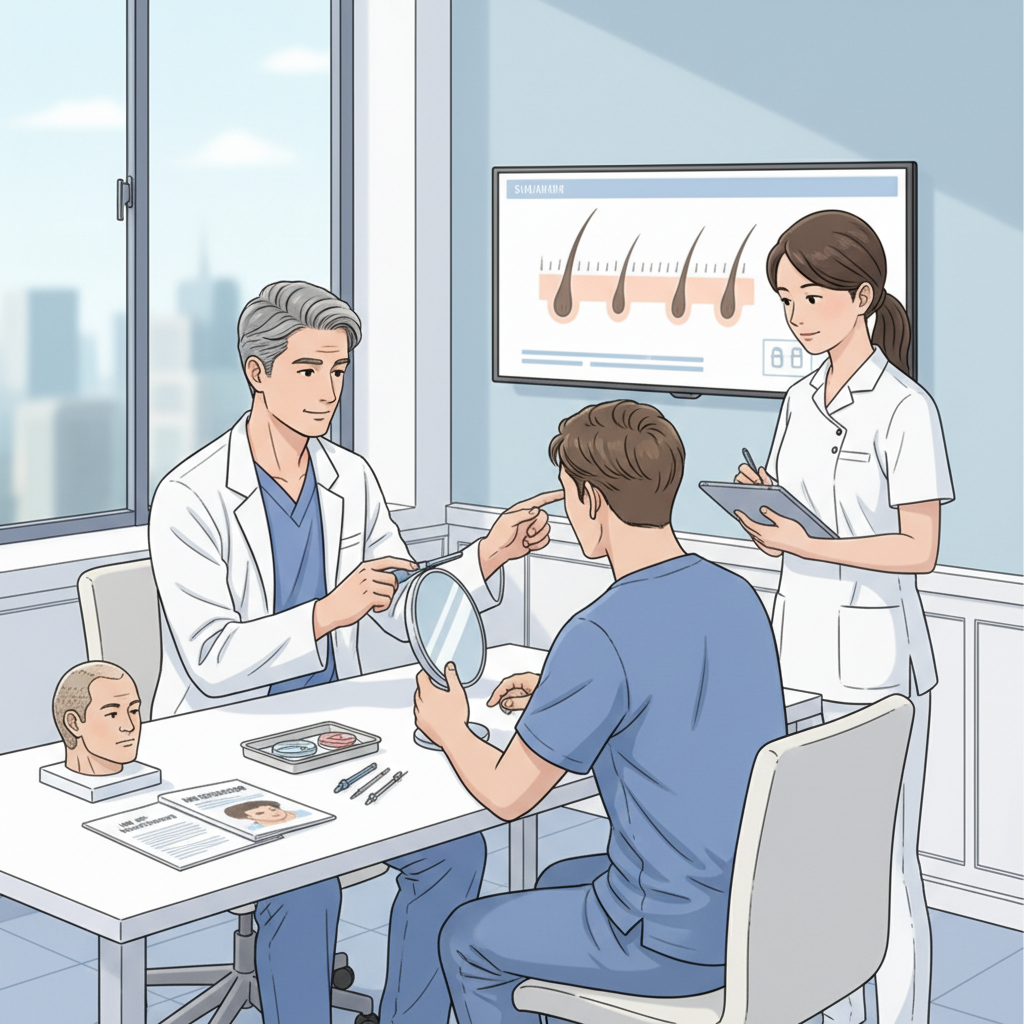
How it works: Surgical procedure that moves hair follicles from the back/sides of your head to thinning areas. Methods include FUE (individual follicles) and FUT (strip method).
Pros
- • Permanent solution
- • Natural-looking when done well
- • One-time procedure
- • Transplanted hair grows naturally
- • No ongoing maintenance
Cons
- • Very expensive ($4,000-$15,000+)
- • Takes 6-12 months for final results
- • Surgical risks and recovery time
- • Can look unnatural if poorly done
- • Limited donor hair available
- • Doesn't stop continued hair loss
- • May need multiple procedures
Best for: People with stable hair loss patterns, sufficient donor hair, and realistic expectations. Usually requires finasteride/minoxidil to prevent continued loss in non-transplanted areas.
Hair Systems & Wigs
Full Coverage Solution
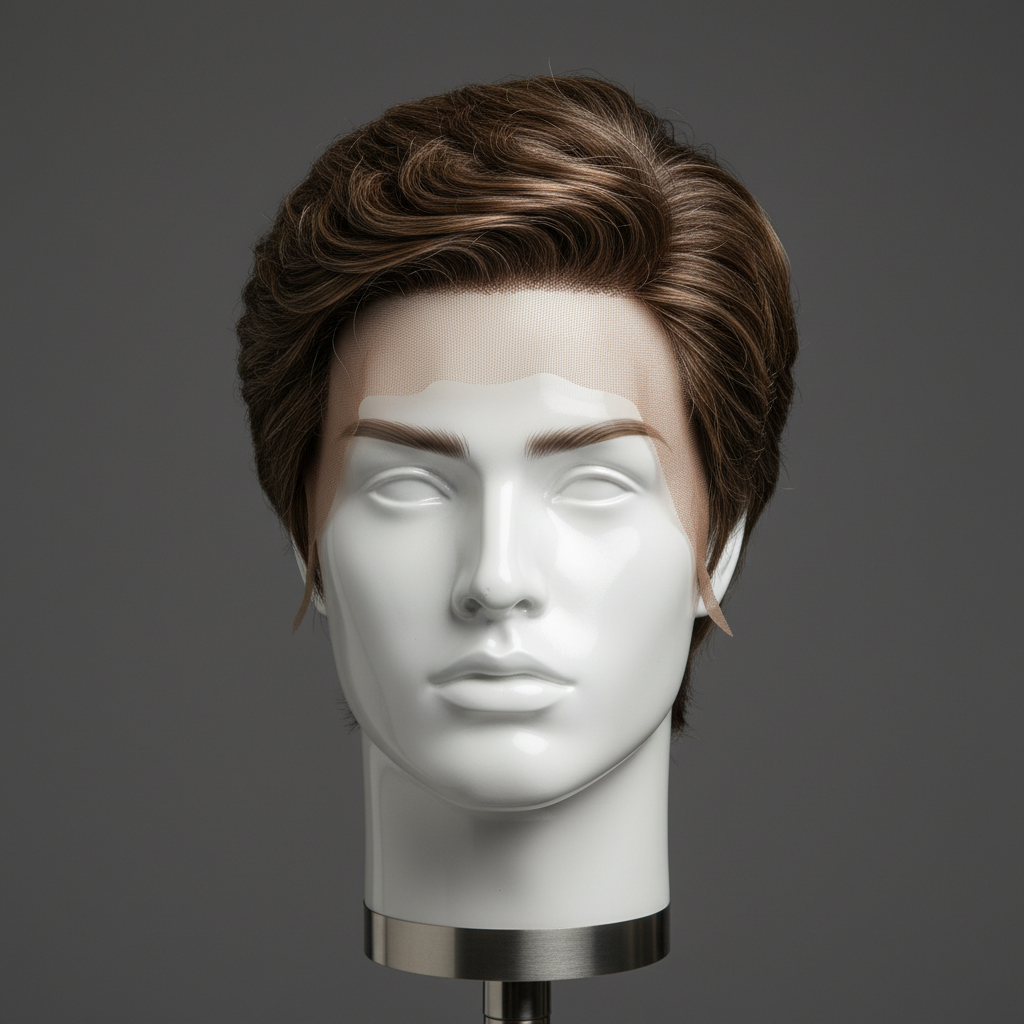
How it works: Custom-fitted hairpieces attached to the scalp using adhesives or clips. Modern systems can look remarkably natural.
Pros
- • Immediate full coverage
- • Works for advanced hair loss
- • Can look very natural (high-end systems)
- • Choose your desired hairstyle
- • Non-invasive
Cons
- • Expensive ($200-$3,000+)
- • Requires monthly salon maintenance
- • Can be detected up close
- • Lifestyle limitations (swimming, wind, etc.)
- • Psychological dependence
- • Replacement every 6-12 months
Best for: Advanced hair loss where other cosmetic solutions don't provide enough coverage. Requires commitment to maintenance and acceptance of lifestyle adjustments.
Which Solution Is Right for You?
If you need instant results...
Choose hair fibers. They're the only solution that delivers a fuller look in under a minute. Perfect for special events, job interviews, dates, or daily confidence.
If you want to treat the root cause...
Choose minoxidil or finasteride (or both). These FDA-approved treatments can slow or stop hair loss. Use hair fibers for instant coverage while waiting for results.
If budget is a concern...
Choose hair fibers. At $29-79 for 1-2 months of use, they're the most affordable option with zero health risks and no long-term financial commitment.
If you want a permanent solution...
Choose a hair transplant, but only after stabilizing your hair loss with medication and researching surgeons extensively. Use hair fibers while saving and planning.
The best approach? Combine solutions.
Most people get the best results using hair fibers for instant coverage while taking finasteride/minoxidil for long-term treatment. You get confidence today while working toward regrowth tomorrow.
The Bottom Line
There's no one-size-fits-all solution for thinning hair. The "best" option depends on your goals, timeline, budget, and personal circumstances.
Hair fibers stand out because they deliver instant, natural-looking results without medical risks, surgical procedures, or long-term financial commitments. They're ideal as a standalone solution or as a confidence bridge while pursuing long-term treatments.
Whatever path you choose, remember: taking action builds confidence. You don't have to live with the frustration of thinning hair when effective solutions exist.
Try the Instant Solution
Experience instant, natural-looking coverage with Halo Fibers. No risk, no commitment—just confidence in 30 seconds.
Shop Halo Fibers